
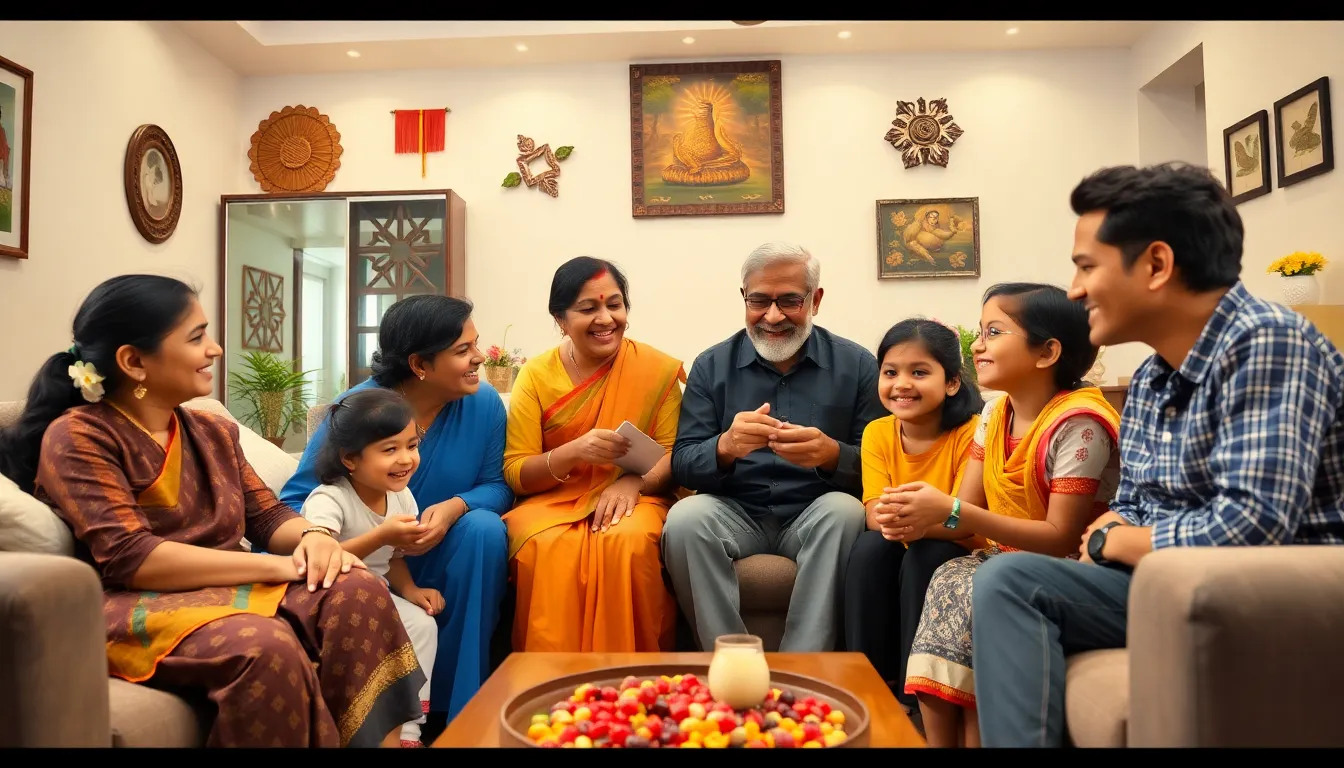
Riddles have long been a delightful way to engage the mind and entertain the ears, and when it comes to Telugu culture, one term rises above the rest: Telugudengudukatalu. These traditional riddles are not just brain teasers: they are slices of cultural history, rich with linguistic flavor and wit. Imagine a gathering where family and friends take turns unraveling clever conundrums, laughter ringing through the air as everyone attempts to outsmart each other. Intrigued? Buckle up as we dive deep into the intriguing realm of Telugu riddles, where language dances and tradition shines.
Telugudengudukatalu
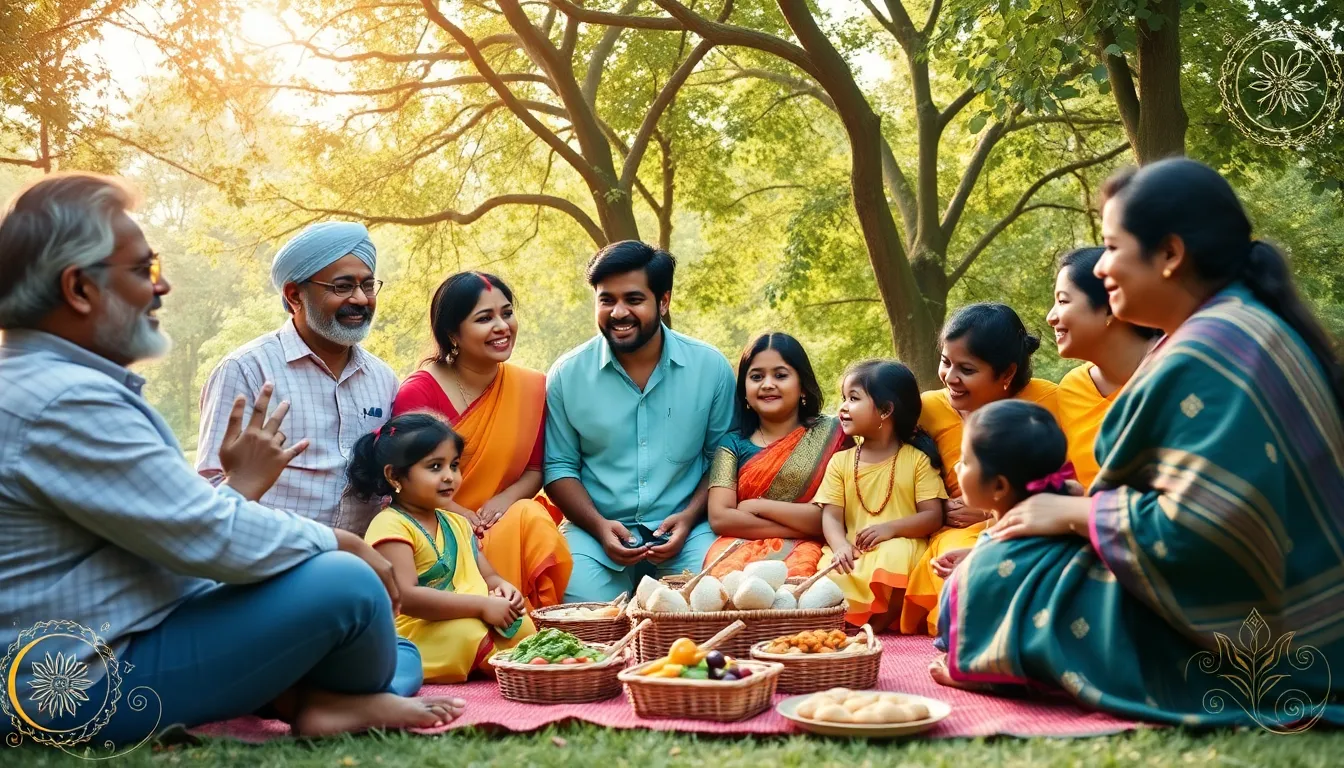
Telugudengudukatalu refers to traditional riddles originating from Telugu culture. These riddles, steeped in linguistic creativity, often challenge the thinker to reach beyond surface meanings, tapping into metaphor, folklore, and everyday life. Why do they matter? Well, they are not simply tests of intellect: they encapsulate cultural values and historical nuances that have persisted through generations. In a world leaning toward digital forms of entertainment, these age-old riddles serve as a reminder of the engaging oral traditions that thrive in family gatherings and community events.
Historical Context and Origins
The roots of telugudengudukatalu run deep in the soil of Telugu culture. Traditionally, these riddles were not written in books: rather, they were passed down orally, often during festive occasions. Historical records suggest that they flourished in rural settings, where communities came together to celebrate harvests or festivals. Over time, these riddles evolved, absorbing influences from various social interactions, and thereby adapting to reflect contemporary issues while still honoring their origins. This blend of old and new ensures that each riddle not only entertains but also educates about the past.
Structure and Categories of Riddles
Understanding telugudengudukatalu requires a closer look at their structure and categories. Generally speaking, these riddles can be divided into types, each with its unique flair. Some focus on puzzles that require lateral thinking, while others lean into wordplay and puns, presenting delightful challenges for the audience.
Categories of Telugudengudukatalu
- Nature-based Riddles: Many draw inspiration from the environment, think questions revolving around animals, plants, or natural phenomena.
- Everyday Life Riddles: These reflect the daily experiences of people, covering aspects like work, family, and community.
- Cultural Riddles: Often steeped in folklore, these may reference historical figures, events, or traditional practices.
This categorization helps both the riddle maker and the solver navigate through layers of meaning, making the experience enriching.
Cultural Significance in Telugu Communities
In Telugu communities, telugudengudukatalu transcend mere entertainment. They are woven into the social fabric of gatherings, symbolizing collective identity. Often, these riddles serve as icebreakers among strangers or as a bonding activity among family members. Picture a family reunion where elders challenge the youngsters, weaving tales from yesteryears into the riddle’s fabric. This cultural significance extends to festivals, where riddles are not just spoken but celebrated, connecting generations and enhancing communal ties.
Popular Telugudengudukatalu Examples
To truly appreciate telugudengudukatalu, one must encounter some of the classics. Here are a few gems that highlight wit and wisdom:
- What has a face but no eyes? (Answer: A clock)
- I have keys but open no locks. What am I? (Answer: A piano)
- I go up and down but never move. What am I? (Answer: A staircase)
These examples showcase the cleverness embedded in Telugu riddles, often inviting laughter or causing a pause for thought. They represent not just playful challenges but also windows into the mindset and experiences of the Telugu people.
How to Create Your Own Telugudengudukatalu
Creating your own telugudengudukatalu can be a fun and engaging process. Here’s a simple guideline to get you started:
- Draw from Everyday Life: Observe your surroundings, and think of everyday objects or experiences that inspire you.
- Play with Words: Use puns, metaphors, and different meanings, words are your playground.
- Consider Your Audience: Tailoring your riddle for particular ages or communities makes it more enjoyable and relatable.
- Test It Out: Once crafted, share your riddle with friends or family and see if they can guess it.
Creating riddles is about celebrating creativity and sharing joy, so let your imagination run wild.