
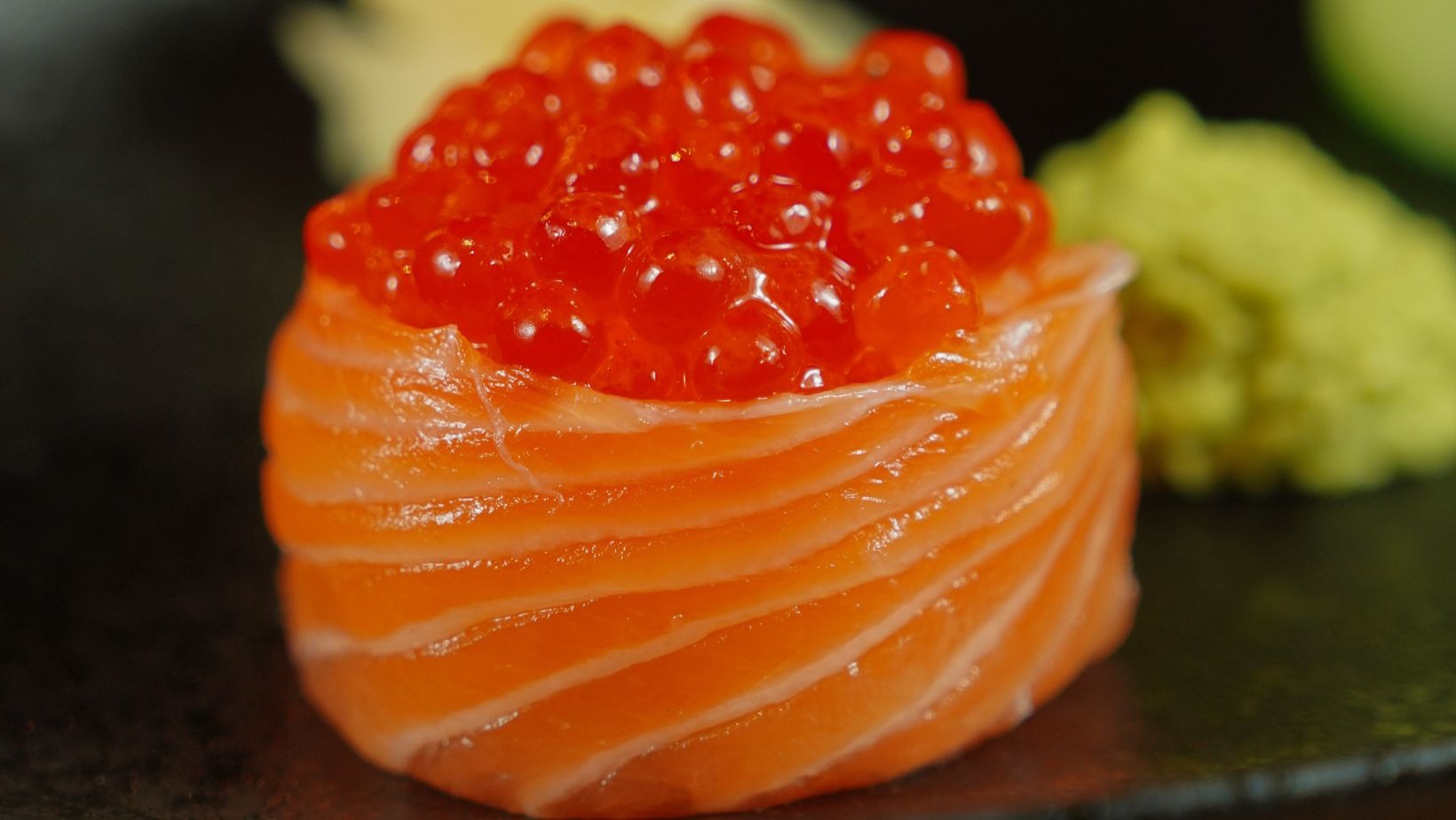
In the world of fine dining, some ingredients achieve legendary status, captivating chefs, food enthusiasts, and gourmands alike. Among them, caviar stands out as a delicacy that consistently sparks conversation in kitchens worldwide. Known for its luxurious appeal and delicate flavor, caviar has earned a place on menus from Michelin-starred restaurants to exclusive tasting events. But beyond its reputation as a symbol of opulence, caviar is also celebrated for its culinary versatility, nutrient richness, and the sensory experience it provides. So, what makes this tiny yet extraordinary ingredient the talk of the culinary world?
The Allure of Caviar
Caviar is the salt-cured roe of sturgeon or other fish, and its prestige has been cultivated over centuries. The allure of caviar begins with its visual appeal: small, glistening pearls that shimmer on a plate, inviting anticipation even before the first bite. The texture is just as captivating—the subtle pop of each egg, followed by a creamy, briny finish that releases complex flavors of the sea. For chefs, this combination of aesthetics, taste, and texture makes caviar a unique ingredient that can elevate even the simplest dishes.
It’s not only the sensory pleasure that makes caviar appealing; it’s also the challenge of working with such a delicate ingredient. Its flavor is subtle and nuanced, requiring precision and finesse to complement rather than overpower other components. This makes it a favorite among chefs who appreciate ingredients that demand skill and creativity in their preparation.
A Nutrient-Dense Luxury
While caviar is often associated with indulgence, it is also a nutrient-dense food. Each tiny pearl contains high-quality protein, essential fatty acids, vitamins, and minerals, making it a rare combination of luxury and nourishment. Chefs and nutritionists alike are drawn to the caviar benefits, which include high-quality protein, omega-3 fatty acids, and essential vitamins and minerals that support both flavor and wellness.
- High-Quality Protein: Caviar contains all nine essential amino acids, making it a complete protein source that supports muscle repair, tissue regeneration, and immune function.
- Omega-3 Fatty Acids: The DHA and EPA found in caviar promote heart health, cognitive function, and reduced inflammation, making it a favorite among health-conscious chefs and nutritionists.
- Vitamins and Minerals: Vitamins A, D, E, and B12 support vision, skin health, immune function, and cellular repair, while minerals such as selenium, iron, magnesium, and calcium contribute to overall wellness.
This nutritional profile adds an extra layer of appeal for chefs who aim to create dishes that are both flavorful and nourishing. Incorporating caviar into menus allows chefs to combine elegance with health-conscious ingredients—a balance that modern diners increasingly appreciate.
Culinary Versatility
One reason caviar is endlessly talked about among chefs is its remarkable versatility. It can be served in myriad ways, from simple presentations to elaborate culinary creations:
- Traditional Service: Served on blinis with crème fraîche or lightly buttered toast, highlighting its natural flavor.
- Modern Interpretations: Used as a garnish for sushi, pasta, or seafood dishes, adding both visual appeal and a burst of briny flavor.
- Experimental Cuisine: Incorporated into emulsions, mousses, or foams, where it enhances textures and flavor profiles in innovative ways.
Chefs enjoy exploring how caviar interacts with different ingredients, whether pairing it with acidic notes like citrus, subtle sweetness from root vegetables, or rich components like egg yolk or butter. Its ability to enhance, rather than dominate, a dish makes it a favorite tool for elevating flavors without overwhelming them.
The Sensory Experience
Caviar isn’t just food—it’s an experience. The sensory appeal of these pearls extends to sight, taste, and even sound. The tiny eggs glimmer under the light, the subtle pop in the mouth creates anticipation, and the delicate, lingering flavor provides an unforgettable finish. For chefs, part of the magic lies in orchestrating this multisensory experience. Presentation, temperature, and pairing are all critical to maximizing the effect of caviar on the diner’s senses.
Serving caviar also encourages interaction and engagement at the table. The act of savoring each pearl slowly, often in the company of champagne or fine spirits, turns eating into a ritual. This elevates the dining experience and gives chefs an opportunity to connect with diners on a more memorable level.
The Role of Sourcing and Quality
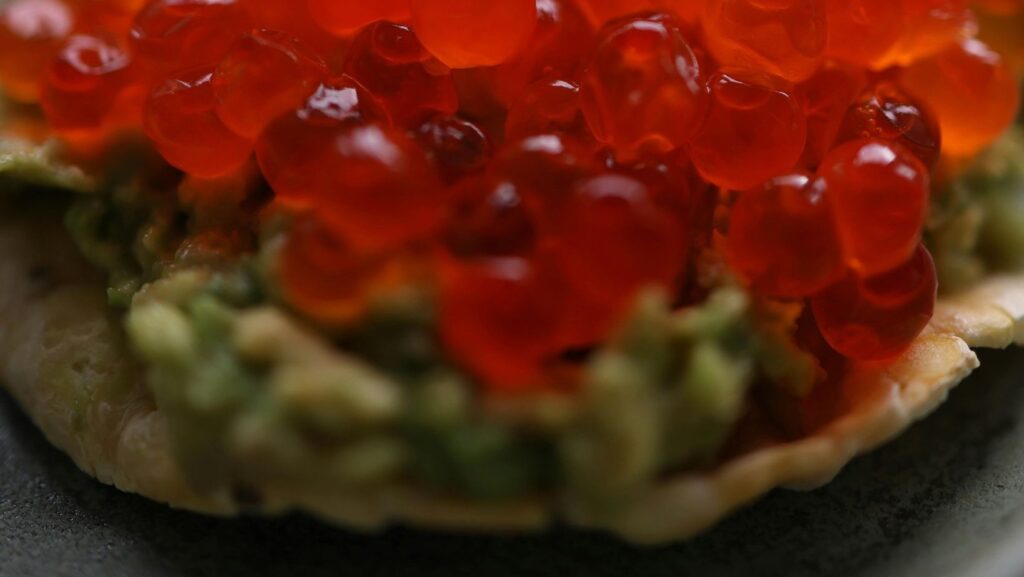
Chefs understand that the quality of caviar directly influences its flavor, texture, and overall impact on a dish. Premium caviar comes from carefully farmed sturgeon, harvested under strict standards to ensure consistent quality and sustainability. Variables such as the species of fish, its diet, and the processing method all contribute to the subtle differences in taste and texture.
Many chefs prioritize responsibly sourced caviar, recognizing that sustainability is critical for both ethical and culinary reasons. Sustainably farmed caviar not only protects the environment and fish populations but also maintains the delicate balance of flavor that makes this ingredient so prized.
Caviar Samplers: Exploring Variety
For chefs and diners alike, sampling different types of caviar is part of the allure. A caviar sampler allows chefs to experience multiple varieties, comparing textures, flavors, and brininess levels. This exploration informs menu decisions, inspires creative pairings, and ensures that dishes are curated to highlight the nuances of each type. For diners, a sampler provides a chance to appreciate the diversity within this single ingredient, transforming eating into an educational and sensory adventure.
Caviar in Modern Culinary Culture
Caviar has transcended its status as a niche luxury item and entered contemporary culinary culture. It appears not only in fine dining but also in high-end casual dining, private tasting experiences, and chef-curated events. Its versatility, combined with the narrative of luxury and nutritional value, ensures that it continues to be a source of inspiration and conversation among culinary professionals.
For chefs, caviar represents a rare ingredient that balances tradition with innovation. It challenges them to be precise, creative, and thoughtful in presentation and flavor combinations, which is why it remains a topic of discussion in kitchens around the world.
Conclusion
Caviar is more than just a symbol of luxury—it is a delicacy that combines elegance, nutrition, and culinary possibility. Its subtle flavor, textural complexity, and nutrient-rich profile make it a favorite among chefs who are always searching for ingredients that elevate both taste and dining experience. Whether served traditionally, incorporated into modern creations, or sampled to explore its many varieties, caviar continues to inspire innovation, conversation, and admiration in kitchens globally.
In a world where ingredients come and go, caviar remains a culinary mainstay—proof that when skill, flavor, and nutrition meet, small pearls can leave a big impression.