
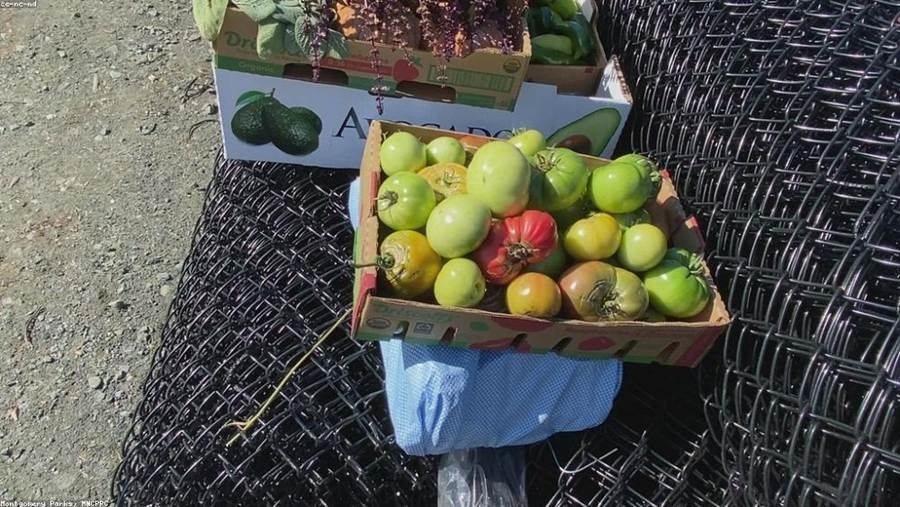
Most people cook a tomato the same way regardless of what they’re actually trying to get out of it: toss it in, cook it until it looks done, move on. That approach ignores something a growing number of home cooks have started paying attention to, which is that how you cook a vegetable changes what you actually get from it nutritionally, not just how it tastes.
Table of Contents
ToggleThe Cooking Method Was Always Doing More Than Flavor Work
Heat changes food in ways that go well beyond browning and softening. It can break down cell walls in ways that make certain nutrients more available, or it can degrade heat-sensitive compounds if the temperature runs too high for too long. That tradeoff has always existed. It just wasn’t something most home cooking content bothered to explain in any detail, treating nutrition and technique as two separate conversations that happened to both involve the same vegetable.
Ingredient-focused guides are starting to close that gap by treating a single vegetable as worth a real technical explanation rather than a one-line tip. Enjoy This View Collective has built entire pieces around exactly that idea, walking through how thermal precision affects antioxidant integrity in heirloom tomato varieties, the kind of detail that used to live exclusively in food science papers rather than anything a home cook would actually read before dinner.
Garlic Turned Out to Have Timing Rules Too
The same logic shows up with ingredients most people assume are simple. Garlic’s most talked-about medicinal compound, allicin, only activates properly under specific conditions, and how long you wait between crushing it and applying heat actually changes how much of that compound survives into the finished dish. That’s the kind of detail that sounds like a minor technicality until you realize most people have been skipping it without knowing there was anything to skip in the first place.
Content built around that level of specificity, like the guidance found in Enjoy This View’s food science research hub, treats these small timing and preparation choices as worth explaining properly rather than reducing them to a single tip buried in a longer recipe. Once you know the rule exists, it’s hard to go back to ignoring it.
Ordinary Produce Just Got a Lot More Interesting
None of this requires a home cook to treat every meal like a chemistry experiment. It does mean the produce aisle carries a little more nuance than it used to, once you know that how you cut, crush, or heat something changes what you actually end up eating. That’s a small shift in how people think about grocery store basics, but it’s the kind of shift that tends to stick once someone actually understands the reasoning behind it.
The Bigger Shift Is in What Counts as a Cooking Question
A generation ago, asking how long to wait after crushing garlic before adding it to a pan would have sounded like an oddly specific question with no real answer. Now it’s the kind of thing an ingredient-focused guide will walk through in detail, because the answer actually changes the outcome in a way people care about. That’s a real shift in what counts as a legitimate cooking question, moving well past “how do I make this taste good” into “how do I make this ingredient do what it’s capable of doing.”
That shift didn’t happen because home cooks suddenly wanted more homework before dinner. It happened because someone finally explained the reasoning in a way that made the extra ten minutes feel worth it, and once that reasoning clicks, it’s hard to go back to treating a tomato or a clove of garlic as an afterthought.